
Home improvement projects can be rewarding and cost-conscious, especially when working on general upgrades around the house. However, electrical updates involve systems that require careful handling, structured planning, and a clear understanding of how wiring, panels, and circuits interact. A local electrical contractor is often brought in for this type of work due to the complexity involved in residential and commercial systems.
Without proper experience, even small mistakes can affect system performance and lead to ongoing electrical issues within a property. Many homeowners choose to work with a local electrical contractor when addressing electrical updates because the systems are interconnected and require precise handling. According to This Old House, most homes receive alternating current (AC) power that is 120/240 volts.
1. Careful Safety Concerns
Electrical systems in homes typically carry enough voltage to cause serious injury if handled incorrectly. Even when systems appear powered down, components may still be connected to active circuits in ways that are not immediately visible. A local electrical contractor understands how to navigate these systems safely during installation and repair work.
Understanding how circuits are distributed throughout a home is essential when working with electrical components. Without this understanding, accidental contact with wiring can create unnecessary risk. Many property owners rely on a local electrical contractor to help ensure these systems are handled in a controlled and structured way.
Evaluate Electric Shock Risk
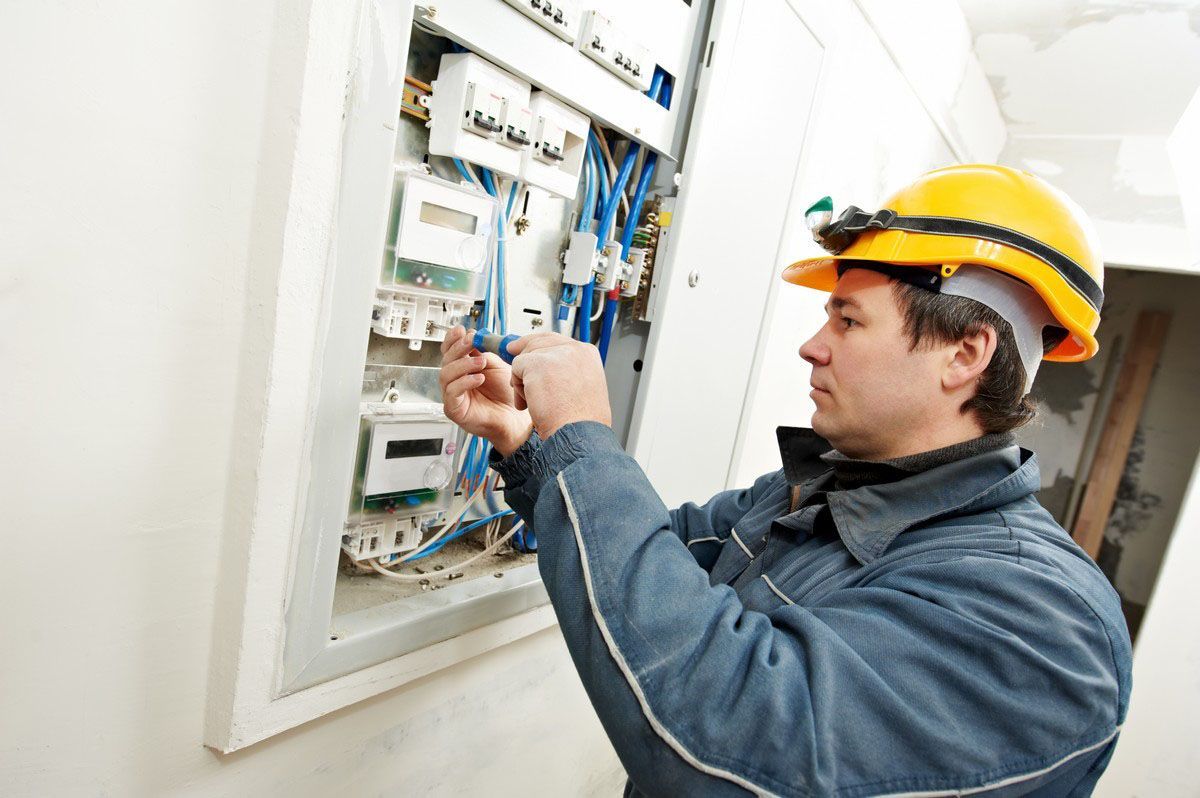
Electrical shock risk is present when working around live wiring or improperly identified circuits. A local electrical contractor is trained to evaluate these systems before beginning work to reduce unnecessary exposure to energized components. This approach helps maintain safer working conditions throughout the project.
Even small oversights in circuit handling can lead to unexpected electrical contact. These risks increase when systems are older or have been modified over time. Working with a local electrical contractor helps reduce these complications through proper system evaluation and preparation.
Reduce Fire Hazards from Wiring Issues
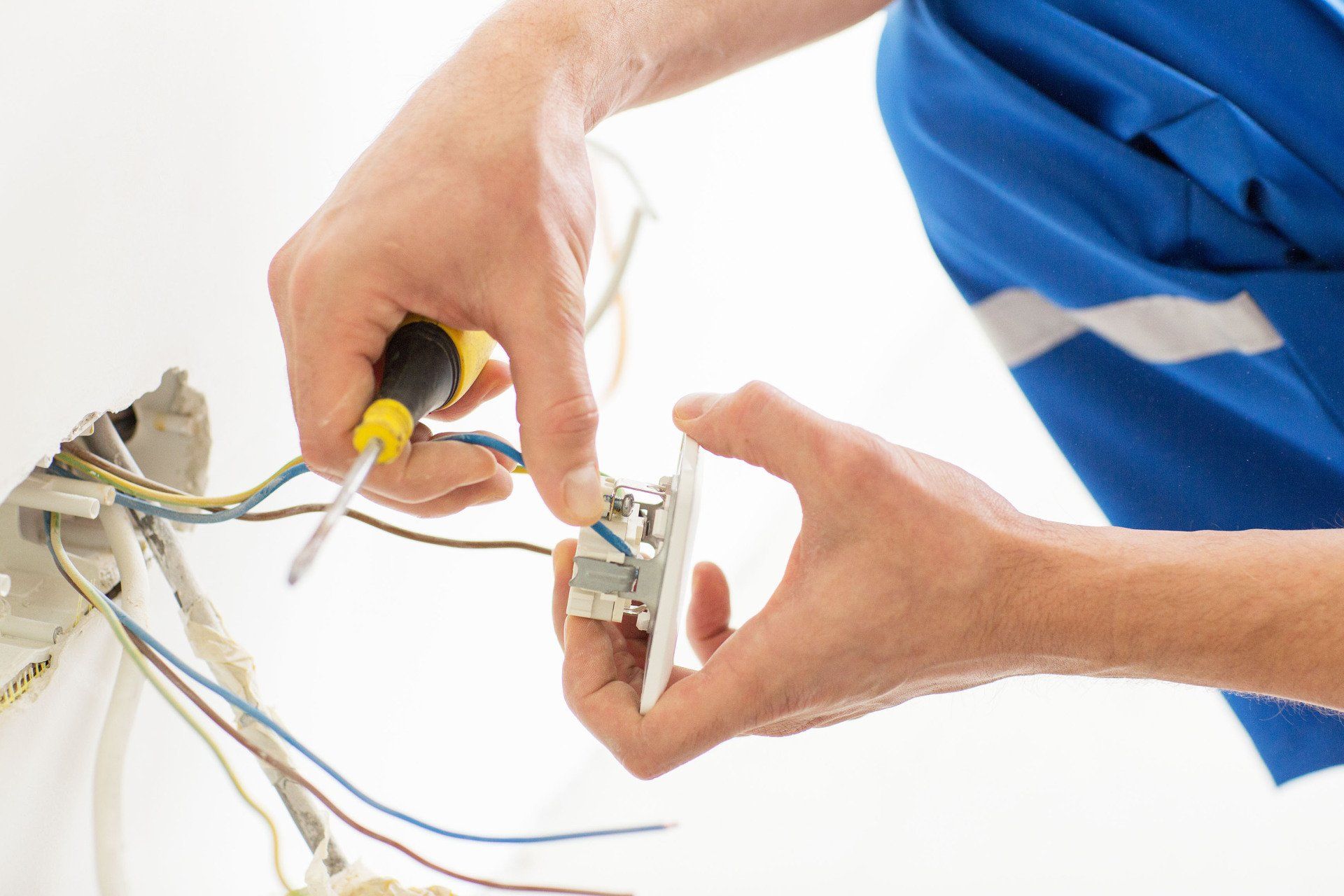
Incorrect wiring, loose connections, or overloaded circuits can create heat buildup within electrical systems. Over time, this can affect how safely the system operates within a home or commercial building. A local electrical contractor evaluates wiring conditions to help ensure proper load distribution.
Use Proper Tools
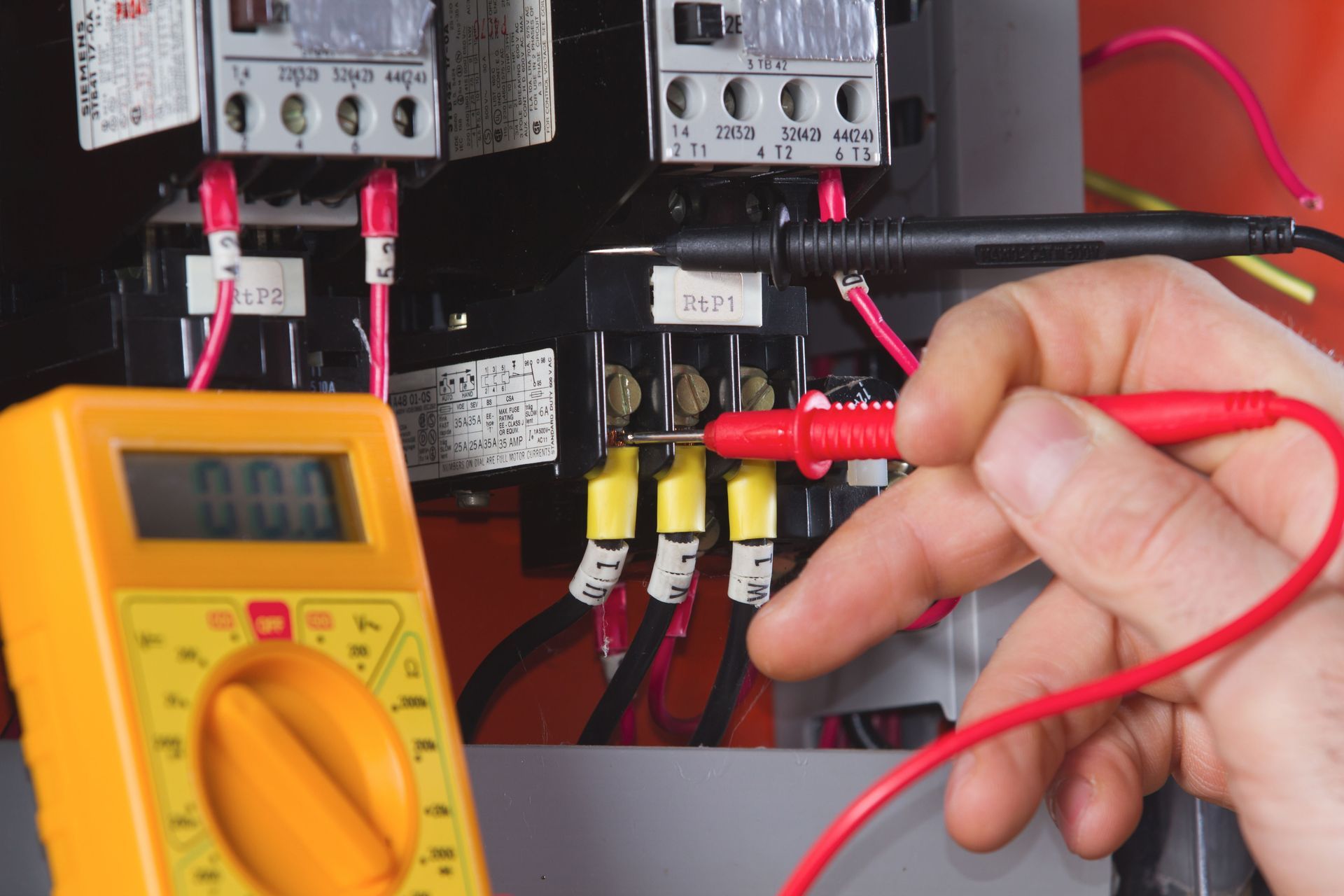
Electrical work often requires tools designed for testing voltage, diagnosing circuits, and handling wiring safely. Without these tools, it becomes more difficult to accurately assess electrical conditions. A local electrical contractor uses industry-specific equipment to complete this type of work.
Using the correct tools helps reduce errors during installation or repair tasks. It also supports more accurate troubleshooting when issues arise within a system. A local electrical contractor relies on these tools to maintain consistent and precise work quality.
Check Circuit Identification
Homes often contain multiple circuits connected to different areas, appliances, and systems. Identifying the correct circuit before beginning work is an important part of maintaining system stability. A local electrical contractor evaluates these circuits to ensure proper identification.
Manage Electrical Components
Electrical systems may include components that remain energized depending on system configuration. Without a full understanding of how these systems are set up, working near wiring can create unnecessary risk. A local electrical contractor follows structured procedures when working around these components.
These procedures help ensure that installation and repair tasks are completed in a controlled manner. They also support safer handling of electrical systems in both residential and commercial environments. Many property owners rely on a local electrical contractor for this level of structured work.
2. Structured System Considerations
Electrical work is often completed with local guidelines and system standards in mind to support consistent installation practices. These considerations help ensure that systems function properly across different types of properties. A local electrical contractor typically works within these guidelines during project planning.
Following established system practices helps support long-term functionality and reduces unnecessary strain on electrical components. This approach helps ensure that wiring and panels are configured correctly for the intended load. A local electrical contractor applies these principles during installation and upgrade work.
Apply Electrical Code Guidelines
Electrical systems are typically installed in accordance with local guidelines that support safe and consistent performance. These guidelines help ensure that electrical components function properly within residential and commercial environments. A local electrical contractor works with these standards during system installation.
Plan Project Approvals
Some electrical projects require structured planning depending on the scope of the work being completed. This may include system upgrades, rewiring, or new installations. A local electrical contractor typically evaluates project requirements before beginning work.
Proper planning helps ensure that electrical updates are completed in an organized and efficient manner. It also helps align the work with the overall needs of the property. A local electrical contractor uses this process to support consistent project execution.
Maintain Electrical System Performance
A home or building's electrical system supports lighting, appliances, and other connected equipment throughout the property. When systems are not properly configured, performance issues may occur. A local electrical contractor helps evaluate these systems to support proper function.
Well-installed wiring and panels help maintain consistent electrical flow across the system. This supports reliable performance throughout daily use. A local electrical contractor focuses on ensuring these components are properly installed.
Inspect Electrical Components
Electrical components naturally experience wear over time, especially in properties with increased electrical demand. This can include wiring, outlets, and panel systems that require periodic attention. A local electrical contractor assesses these conditions as part of system maintenance.
3. Skilled Knowledge and Experience
Electrical systems are made up of interconnected components including wiring, circuits, outlets, switches, and panels. These parts must work together correctly to support overall system function. A local electrical contractor understands how these systems operate in both residential and commercial settings.
Experience with electrical systems helps ensure that installations and repairs are completed in a structured and efficient way. This supports safer and more consistent system performance over time. A local electrical contractor applies this experience during service work.
Understand Home Electrical Systems
Electrical systems require coordination between multiple components to function properly. This includes ensuring that circuits and panels are properly configured for the property’s electrical load. A local electrical contractor evaluates these systems during installation and repair.
Proper system understanding helps ensure that electrical work is completed in a safe and organized manner. It also supports consistent performance across all connected components. A local electrical contractor uses this understanding during all phases of work.
Identify Electrical Issues
Electrical issues are not always immediately visible and may require detailed inspection to identify the source. Problems such as inconsistent power or tripped circuits can originate from multiple system areas. A local electrical contractor is trained to evaluate these conditions.
Adapt to Evolving Electrical Components
Electrical materials and components continue to evolve over time, including updates in lighting systems, wiring materials, and energy-efficient equipment. These changes influence how modern systems are installed and maintained. A local electrical contractor stays familiar with these developments.
Using updated materials and methods helps support compatibility with modern electrical systems. This ensures that installations align with current residential and commercial needs. A local electrical contractor applies these updates during service work.
Electrical work involves detailed systems that require careful handling, proper planning, and an understanding of how components interact throughout a home or business. Even small mistakes can lead to performance issues or ongoing disruptions that affect daily use. A local electrical contractor plays an important role in managing these systems effectively.
To learn more about residential and commercial electrical services such as wiring, lighting, panel upgrades, troubleshooting, and system improvements, contact Bretco Electric Company.



Share On: